Culture / Exhibition guide
At the Morgan, ragtime is also a story about the page
A new exhibition offers a reason to read the cover before following the melody.
Ragtime: Cakewalk in Pianoland opened at the Morgan Library & Museum on Nov. 13. Built around printed musical material, the exhibition offers a particularly interesting invitation: consider a piece of music as something somebody designed, published, sold and kept, as well as something somebody performed.

The Morgan draws on the John Davis Collection of Early Printed Musical African Americana, its own holdings and private collections. Seven thematic sections follow ragtime’s history and its passage into Broadway, film and popular culture. Ernest Hogan and Scott Joplin are among the figures the museum places in conversation.
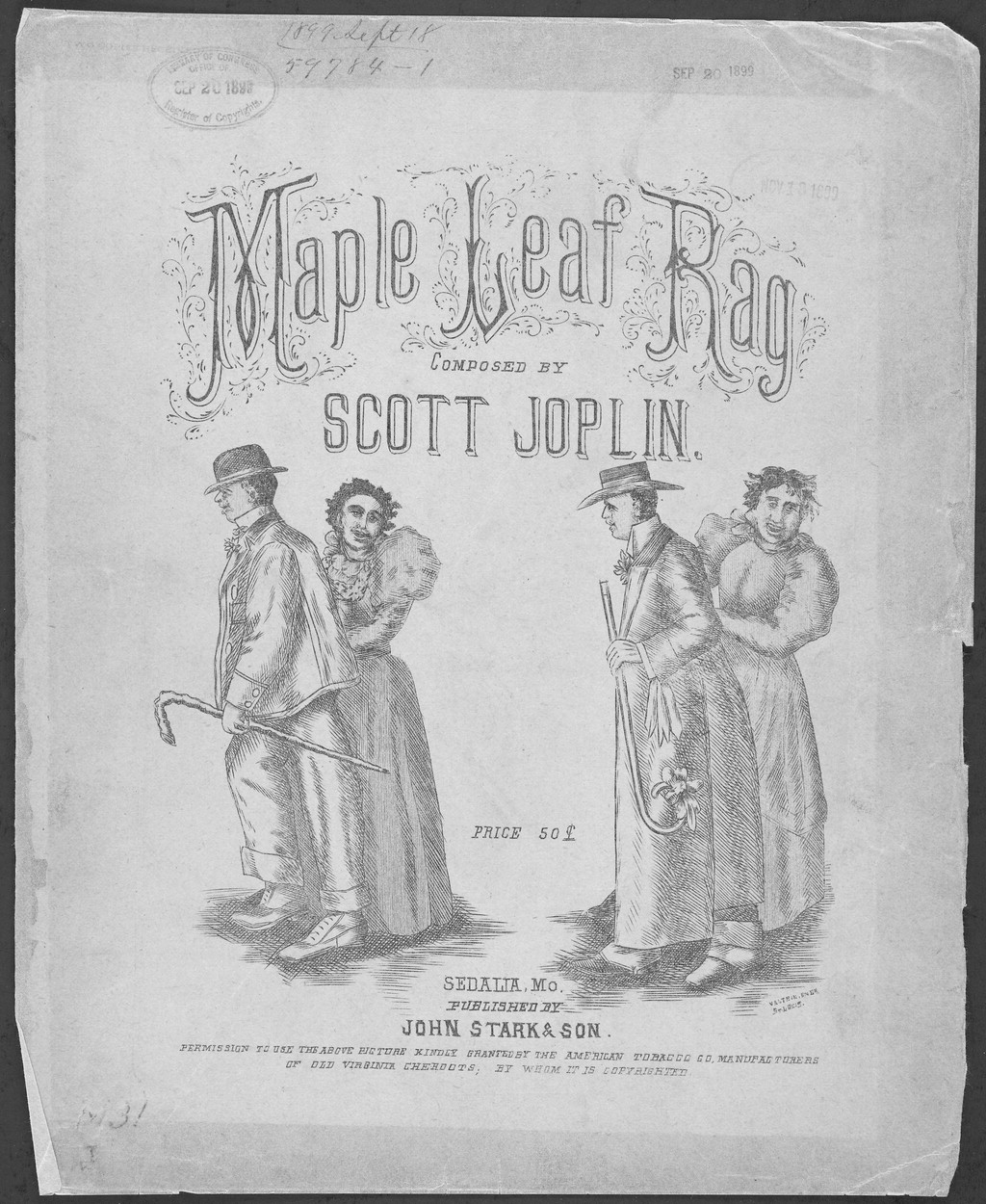
Begin with the cover, not because it explains everything, but because it makes a claim for your attention. Look at the size of the composer’s name, the prominence of the publisher and the relationship between an illustration and a title. Then read the object label. What the package asks a buyer to notice may be different from what a historian asks a visitor to understand.
The archival cover reproduced here is a Library of Congress copy of the 1899 Maple Leaf Rag, not a photograph of the Morgan installation. Its ornate lettering and illustrated figures make a useful exercise in looking. Ask what the cover tells you about authorship, and what it cannot tell you about the experience of playing or hearing the music.
You do not need to read a score to make this a rewarding visit. Choose a few objects and follow their credits carefully. Keep the distinction between composer, performer, publisher and collector in view. A familiar title can become more complicated when those roles stop collapsing into a single famous name.
How should you plan the visit? The Morgan is at 225 Madison Ave., at 36th Street, and is closed Mondays. Adult admission is $25, with service fees for online purchases. Friday admission is free from 5 to 8 p.m., but reservations are required and become available one week ahead. Use the museum’s official visit page to book and check current arrangements.
For this week, that means looking beyond Monday rather than treating a newly opened exhibition as an immediate afternoon plan. Give the show a place in the calendar, then give a few pages more attention than a quick circuit normally allows. The most useful souvenir may be a name you want to investigate next.